
Why choose EFT?
Simple to learn
A gentle technique you can learn for yourself and use whenever you need it.
Easy to use
Tapping can be practised at home, at work, before sleep or whenever you need a moment of support.
Always with you
Once you’ve learned the basics, tapping is a tool you can return to whenever life feels a little too much.
How tapping helps with sleep
Sleep can feel elusive when your mind won’t quiet down. You lie in bed, thoughts racing, body tense, and no matter how hard you try, rest just won’t come. Tapping offers a way to gently signal to your nervous system that it’s safe to let go.
By lightly tapping on specific acupressure points while acknowledging what’s keeping you awake, you give yourself a chance to slow down, release tension, and drift into rest. It’s not about forcing sleep, it’s about creating the conditions for it to come naturally.
Try a free tap-along for better sleep →
Why can tapping help?
Most sleep advice focuses on what’s happening in your mind—counting sheep, deep breathing, or clearing your thoughts. But sometimes, your body is still stuck in a state of alertness, even when you’re exhausted.
Tapping brings the body into the process. The combination of gentle tapping, focused attention, and acknowledging what’s on your mind may help calm your nervous system’s stress response. Research suggests that EFT can influence areas involved in relaxation, including cortisol levels and the amygdala, helping you transition from wakefulness to rest.
Think of it like turning down the volume on a busy mind. Tapping doesn’t try to tell you to “just relax.” It gives you a way to gently ease into stillness and notice what shifts.
What does the research say?
There is now a growing body of research into EFT and sleep. Studies have shown that tapping can:
- Reduce cortisol levels, helping your body transition into a state of rest.
- Improve sleep quality by calming the nervous system’s hyperactivity.
- Decrease nighttime anxiety, allowing you to fall asleep faster and stay asleep longer.
More than 100 clinical trials have explored EFT, with research particularly focused on stress, anxiety, and sleep. While we don’t claim tapping is a magic cure, there’s enough evidence to take it seriously, and to keep exploring how it can help you rest better.
Ready to try it for yourself?
You don’t need to know exactly what you’re doing, and you don’t need to feel completely calm before you begin. I’ve put together a short guided tapping session for sleep. Just find somewhere comfortable, press play, and follow along with me.
There’s no right or wrong way to do it. Simply tap along, notice what you’re feeling, and see what shifts for you.
⏱ 4 Minutes 🎯 Beginner-friendly 🎧 Guided by Suzannah
You can come back to this session whenever you need a little support to drift off.
What you might notice
Everyone responds differently, but some people notice things such as:
A sense of physical relaxation
Racing thoughts slowing down
Feeling less caught up in worries
Finding it easier to settle at bedtime
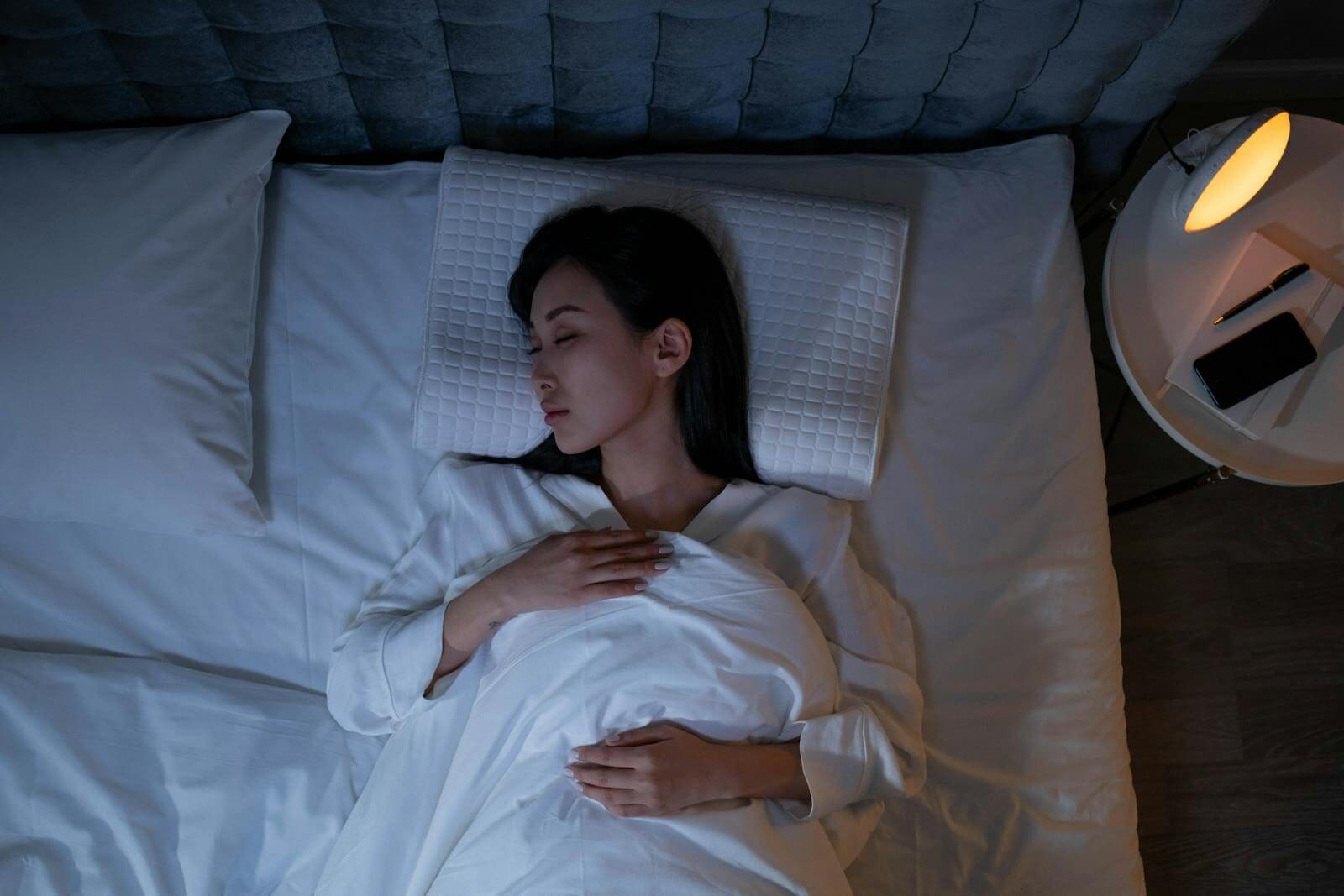
You don’t have to force sleep for tapping to be useful. Sometimes the first shift is simply feeling a little less overwhelmed by your thoughts.
Tapping isn’t a replacement for therapy or medication when you need those things. But for the nights when sleep feels just out of reach, the moments when your mind won’t quiet, or the times when you wake up at 3 AM and can’t drift back, it can be a simple tool to have with you.
And you can use it whenever you need it.
What to do next
If tapping felt helpful, the next step is simply to find a way of making it part of your nighttime routine. You can learn the basics, build a regular practice, or explore deeper support when you’re ready.
Learn the basics
Want to know what you’re actually doing when you tap? The free Tapping Essentials course walks you through the tapping points and the Basic Recipe, so you can begin tapping on your own.
Start the free course →
Build a regular practice
Make tapping part of your nighttime routine with our free 7-Day Tapping Planner. Join our newsletter and have a simple way to keep your practice going.
Get your free planner →
Get ongoing support
If you’d like more support, our Heart Circle gives you access to a library of guided tapping sessions, our somatic sleep series, live tapping with Suzannah, and a supportive community.
Explore the Heart Circle →
Frequently asked questions
1. I’ve struggled with insomnia for years. Is tapping really going to help?
Honestly, we can’t promise anything specific for you. But tapping has helped many people who’ve tried everything else first. It works with the body’s stress response directly, which is often what long-standing sleep struggles need. The best way to find out is to try a free session and see how your nervous system responds.
2. Is this a replacement for therapy or medication?
No—tapping is a complementary tool to help you relax and prepare for sleep. If you’re dealing with chronic insomnia or other sleep disorders, we always recommend consulting a healthcare professional.
3. What if I fall asleep while tapping?
That’s actually a great sign! It means your body is relaxing. If you’re worried about missing the end of the session, you can always listen to a replay or try tapping earlier in your bedtime routine.
4. How often do I need to tap to see a difference?
Some people notice a difference after just one session, while others find that regular practice (e.g., nightly tapping) helps the most. Consistency is key, but even occasional tapping can bring relief.
5. What if tapping feels weird or self-conscious?
That’s completely normal! Tapping might feel unusual at first, but most people find it easier with practice. Remember, there’s no right or wrong way to do it, just tap along and see how it feels.
6. Can I use tapping in the middle of the night if I wake up?
Absolutely! Tapping is a great tool for those 3 AM wake-ups when your mind starts racing. Keep a short session (like our 8-minute sleep tapping video) ready on your phone or device for whenever you need it.
MORE TO EXPLORE
More support for better sleep
If you found this session helpful, the Heart Circle gives you access to many more guided tapping sessions, including practices created specifically to help with sleep.